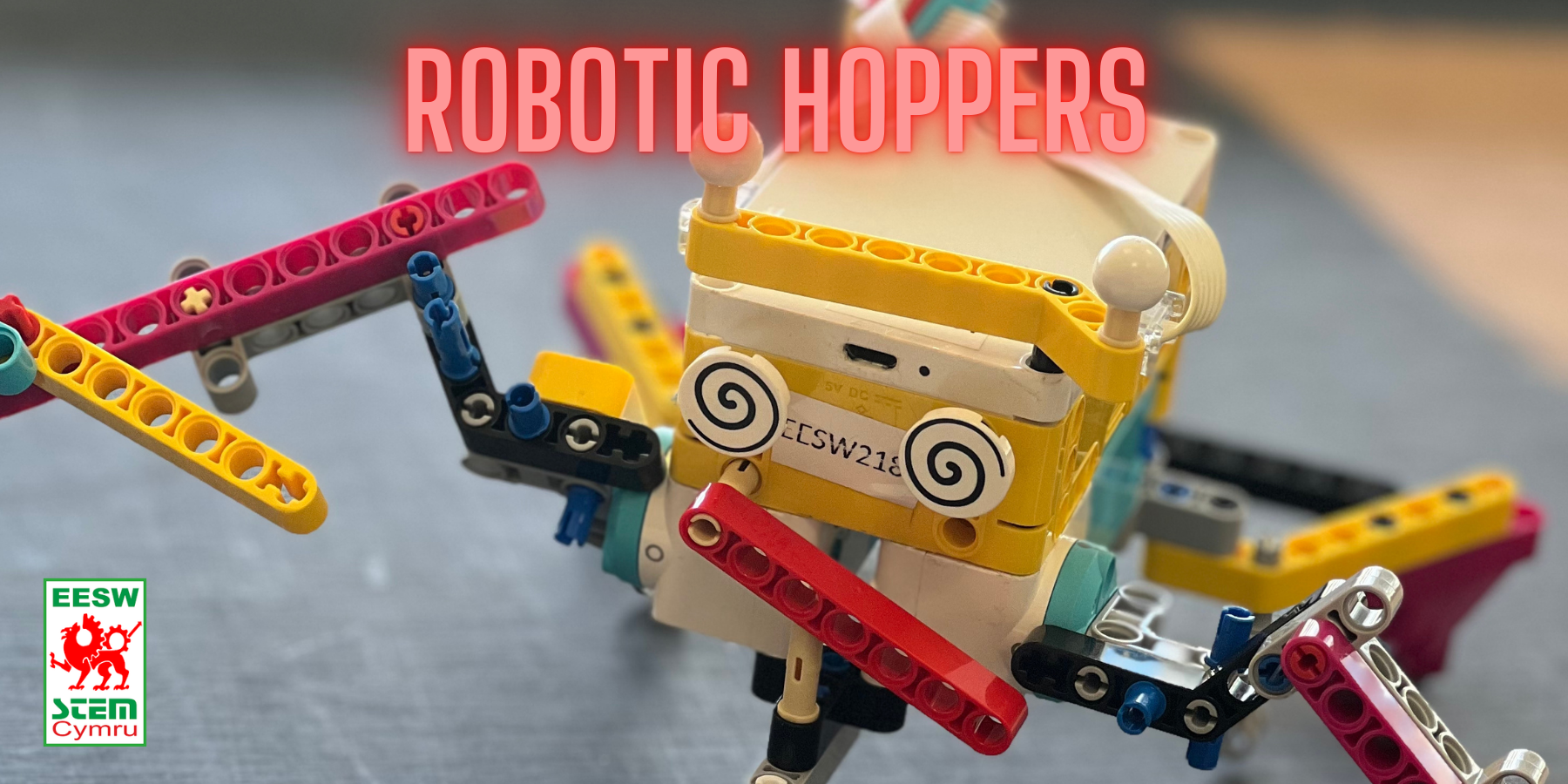
Our Introduction to Engineering (i2E) programme introduces pupils to the exciting world of engineering through hands-on STEM workshops that develop problem-solving, creativity and teamwork while connecting classroom learning to real-world applications and future careers.
Our i2E workshops can be delivered at primary and secondary schools and can be adapted to suit a range of abilities.
Contact us to find out more or click here to book one of our sessions.
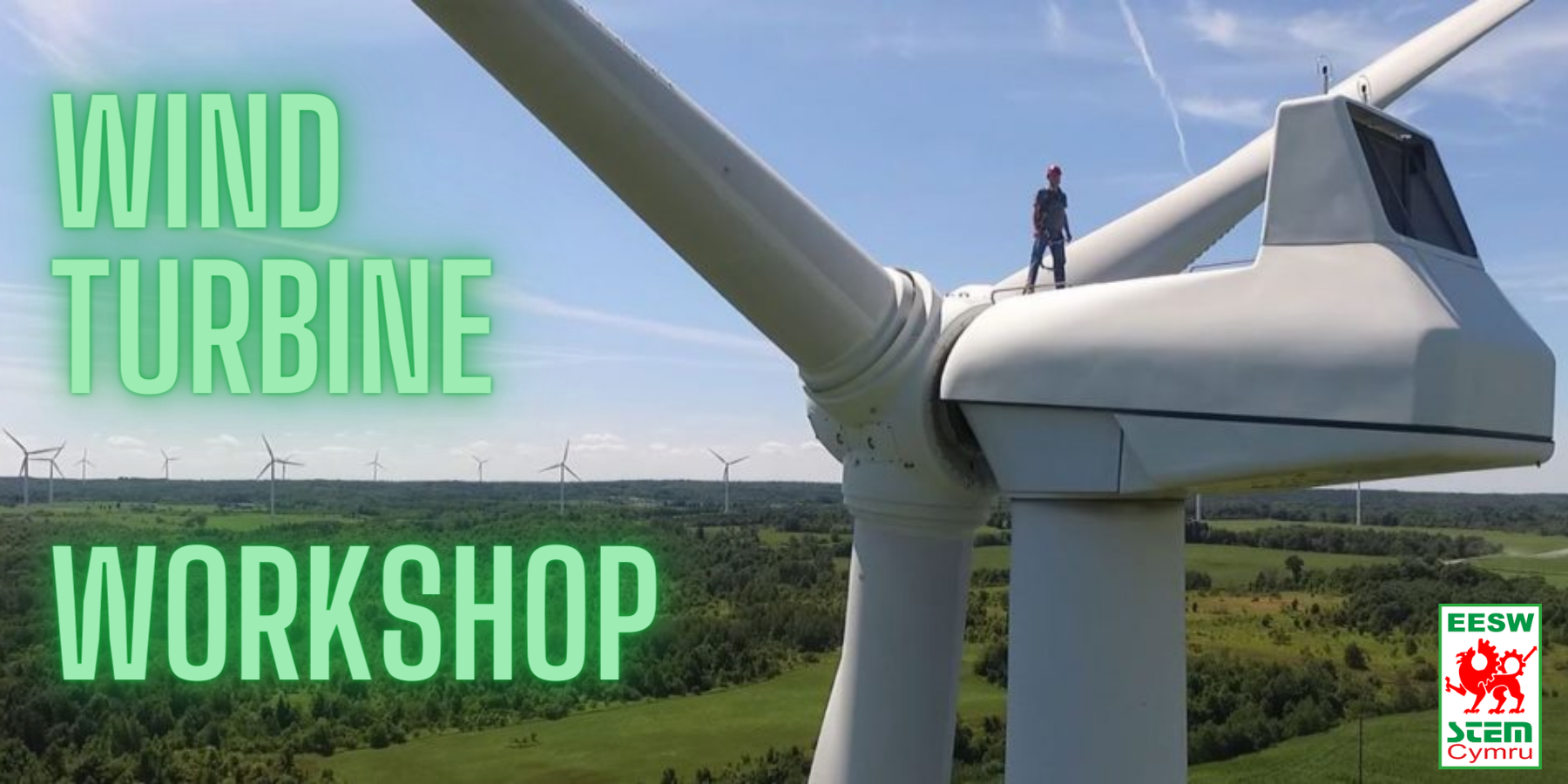
Working in small teams, pupils use our kits to build their own wind turbine and measure the energy generated.
Pupils learn how they work, how they are engineered and constructed, and are tasked to create and record the most efficient wind turbine.
Progression steps 3 & 4
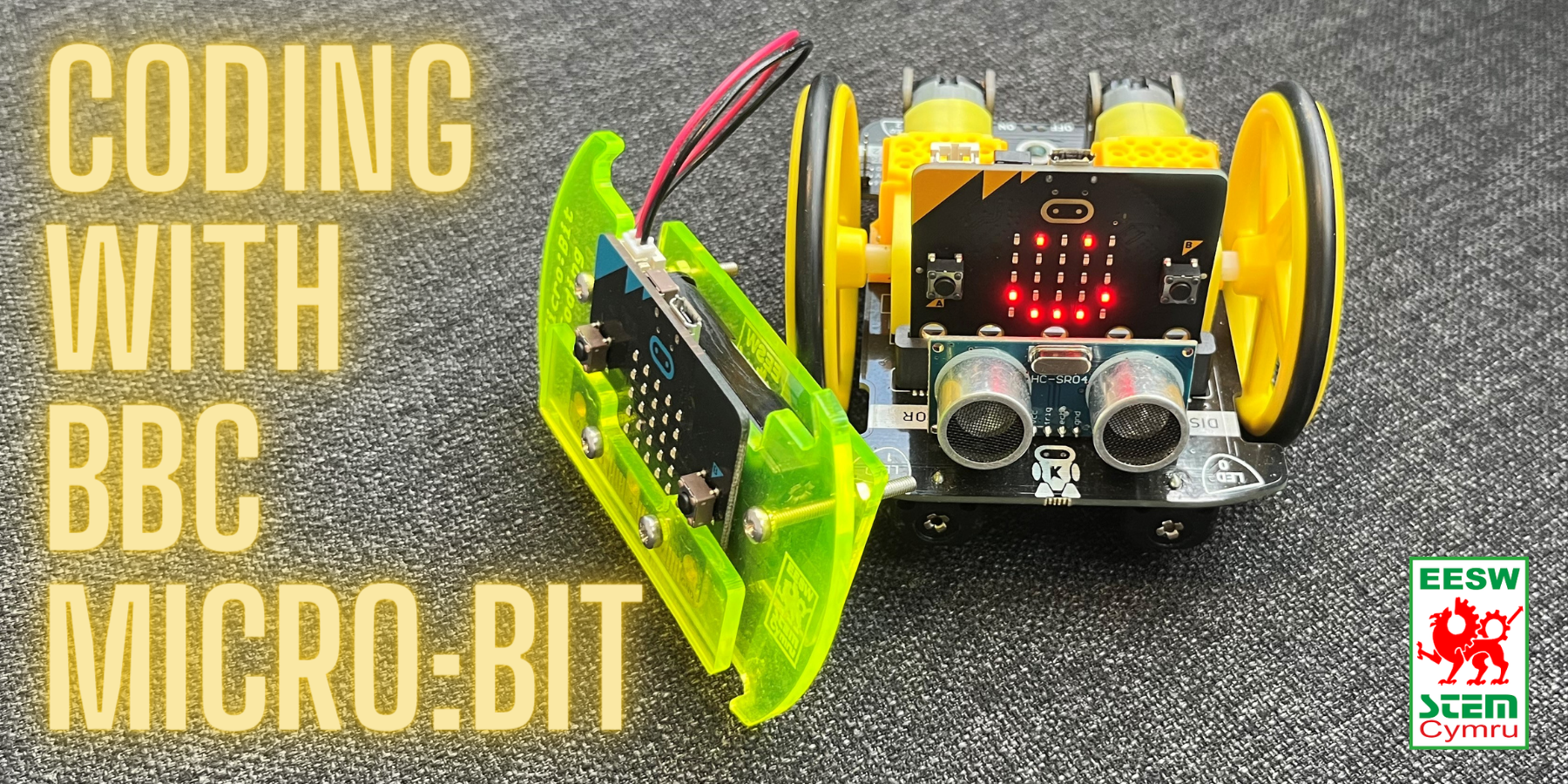
Pupils are guided through a series of challenges where they create code to move a micro:bit robot.
Pupils program a transmitter and receiver to introduce remote control, adjusting their code to improve their robot's performance.
Progression steps 3 & 4
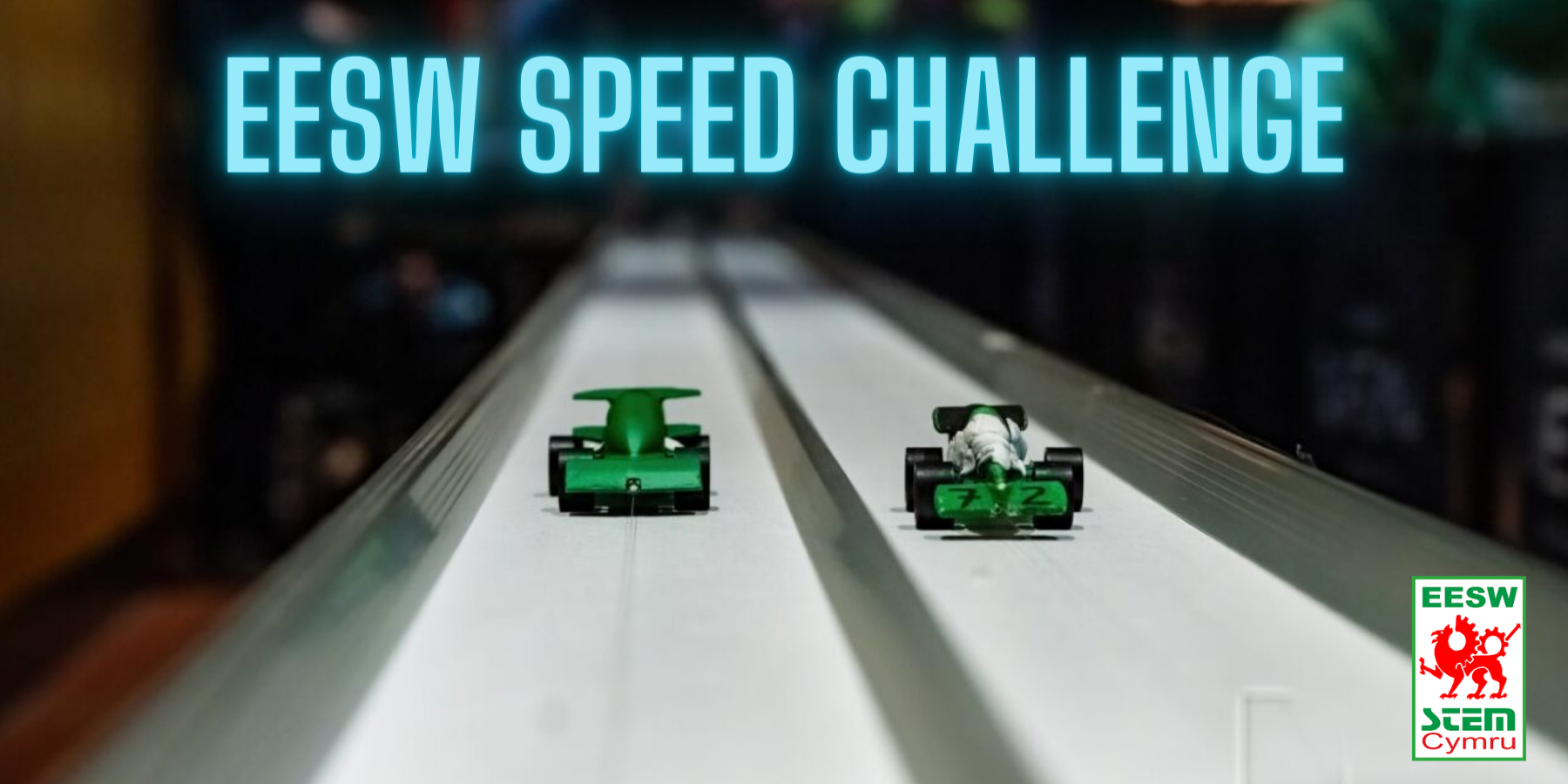
A two-hour activity where pupils get to experience the exciting world of CO2 powered model racing cars.
Pupils work in teams to build and race their cars on our purpose-built floor track to see which team has produced the fastest car.
Progression steps 3 & 4

Progression step 3 & 4
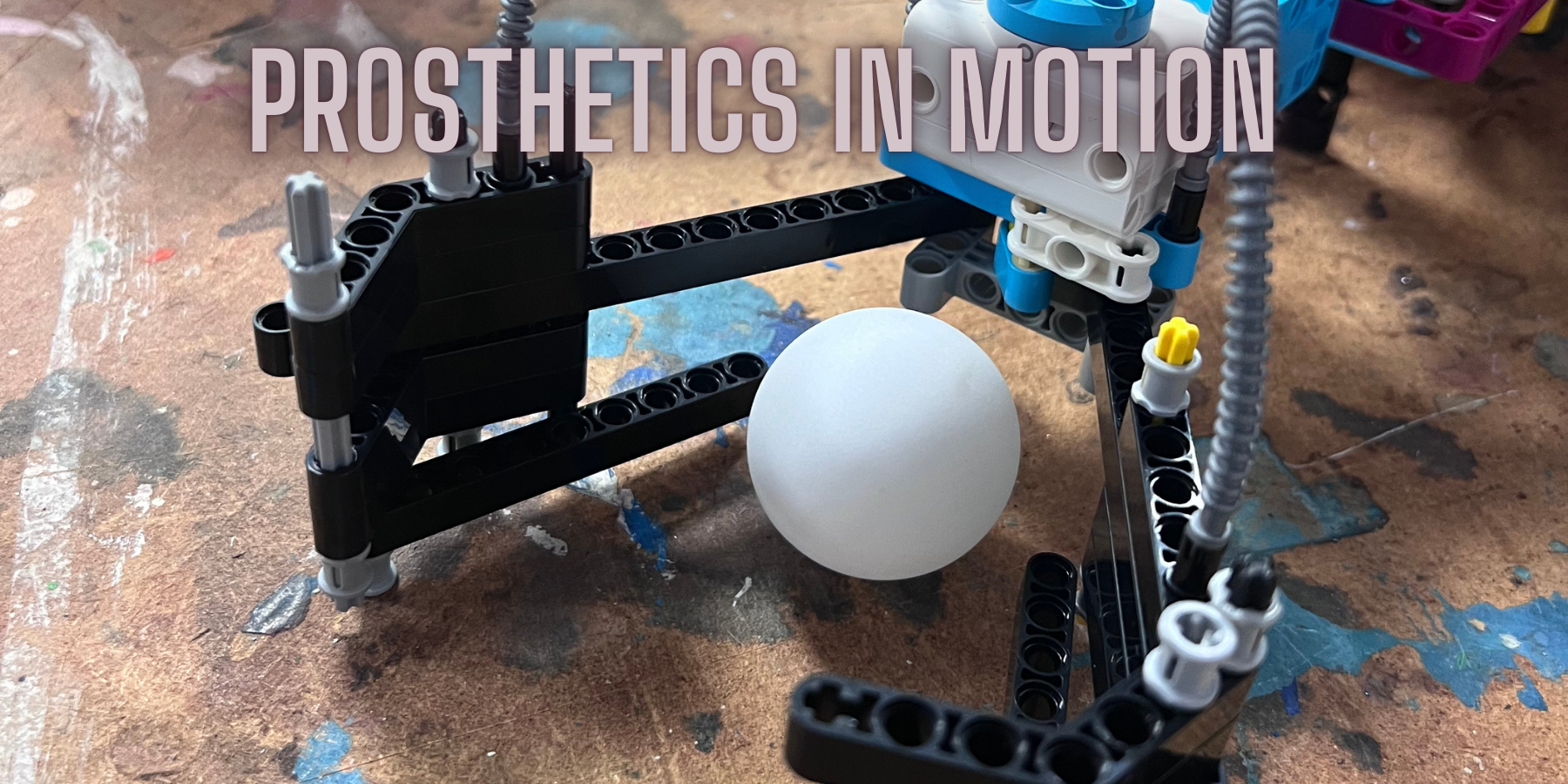
Pupils consider the history of prosthetics and how they have developed to work seamlessly in the modern world. Pupils work in teams to build their own prosthetic arm using a Lego Spike kit, then use code to control and follow simple instructions.
Progression step 4

In the Sustainable Homes workshop, pupils use sensors, actuators and programming to design and build a model of a sustainable, interactive smart home. They develop essential coding skills, use basic hand tools and interpret unfamiliar technical drawings. The session also explores sustainable living and the importance of energy efficiency in modern smart homes.
Progression step 4
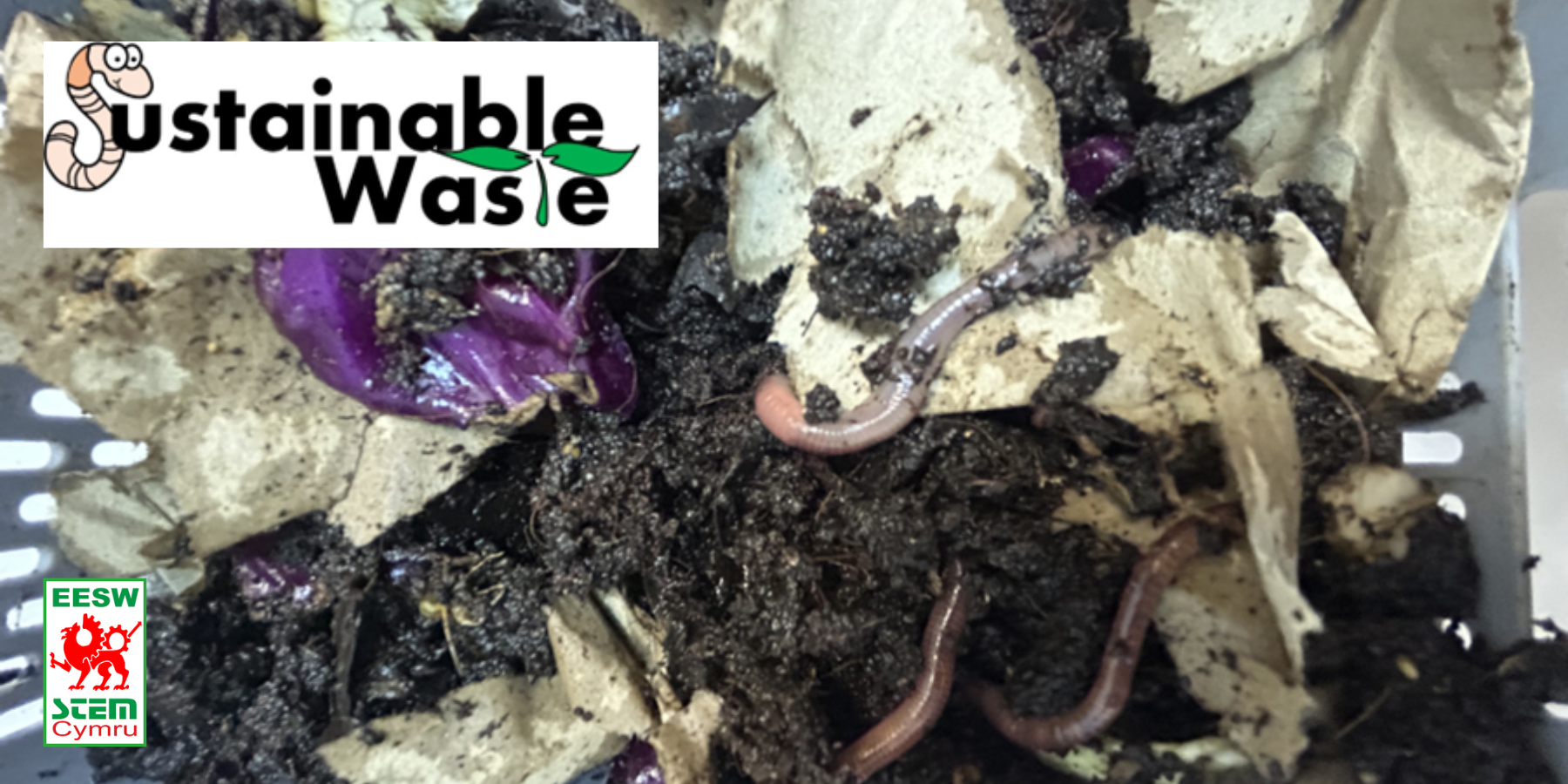
This project invites pupils to consider the impact and potential of food waste.
Over the course of up to 6 weeks, pupils set up mini wormeries or composters to produce compost and liquid fertiliser from food waste that they then use to grow a crop of microgreens.
Progression steps 3 & 4
Explore: Extended project
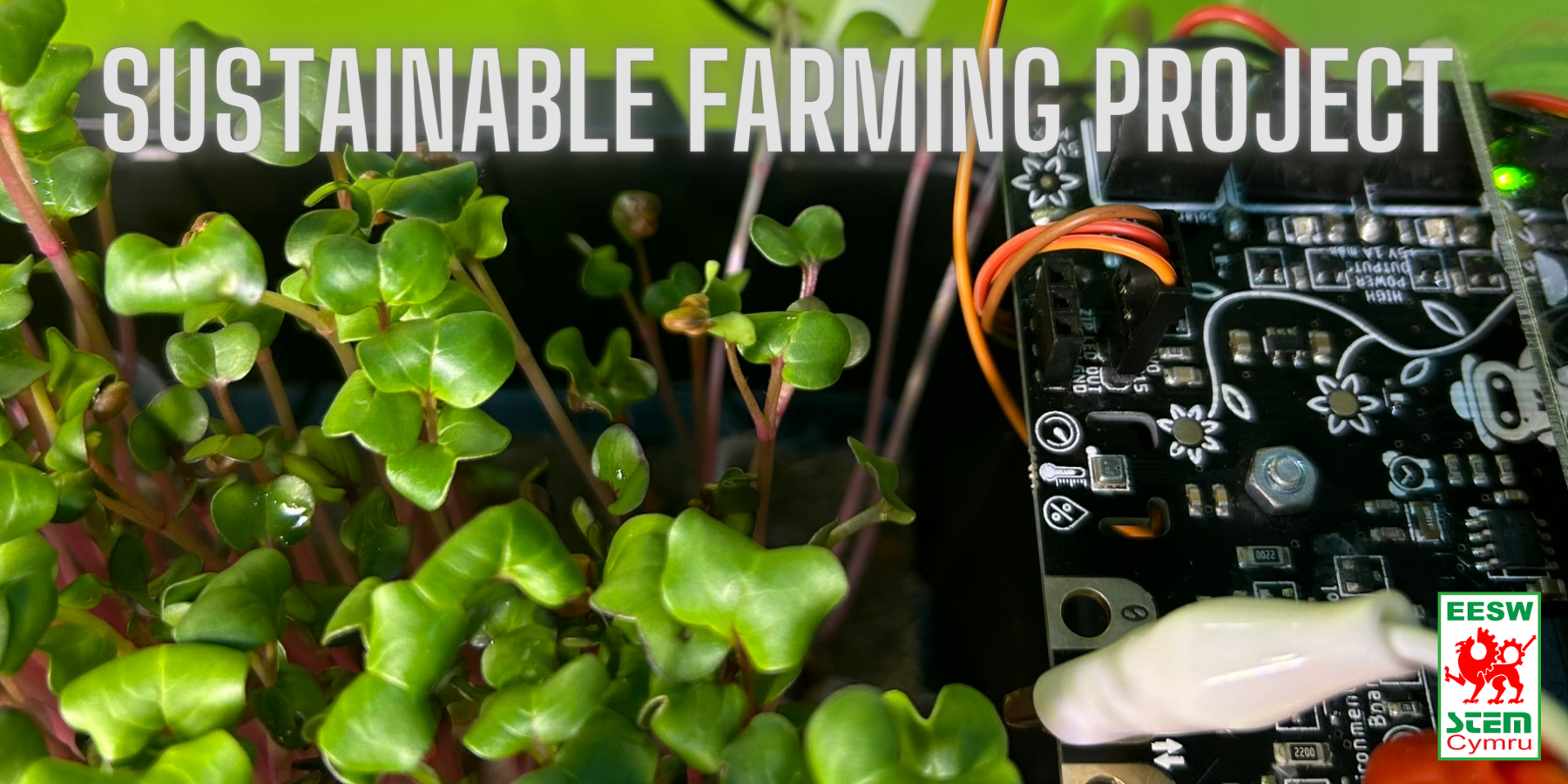
This Project challenges teams to design, build and program their own smart micro-greenhouse.
EESW delivers coding sessions, alongside fully resourced class packs including programmable BBC micro:bit, environmental control boards, sensors and components.
Progression steps 3 & 4
Explore: Extended Project

Progression step 3

In this exciting workshop learners will explore how Light Emitting Diodes (LEDs) work and how they are used in everyday technology and modern engineering applications
Progression step 4
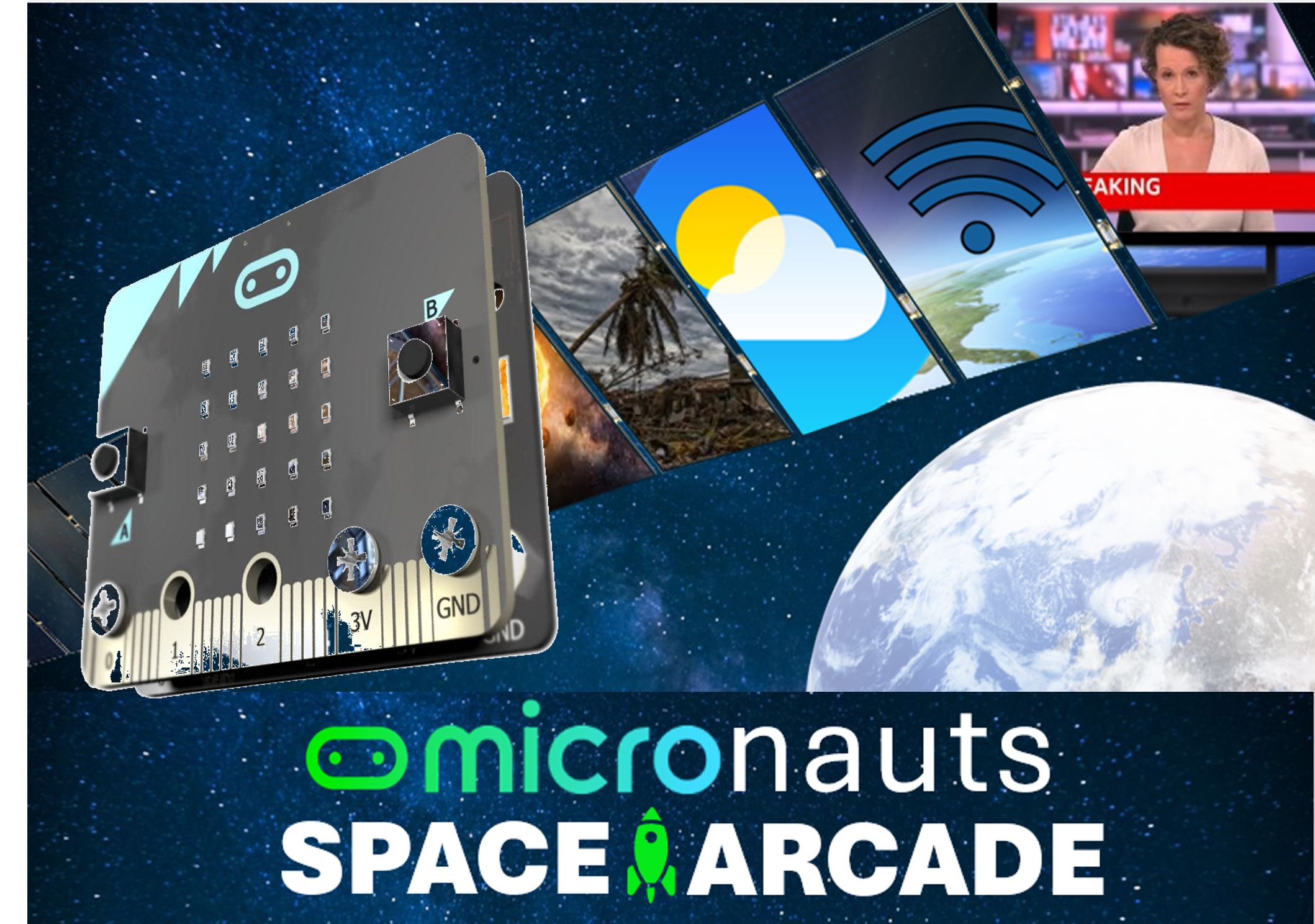
In the Micronauts: Space Arcade workshop, pupils explore the Space Race and discover how satellites support everyday life, from mobile phones and internet connections to weather forecasting and navigation. They investigate the role of coding in satellite technology before developing their own arcade-style games using the micro:bit, building programming skills through hands-on experimentation.
Progression step 3